Unlocking Individual Potential: The Power of AI-Driven Adaptive Learning Paths
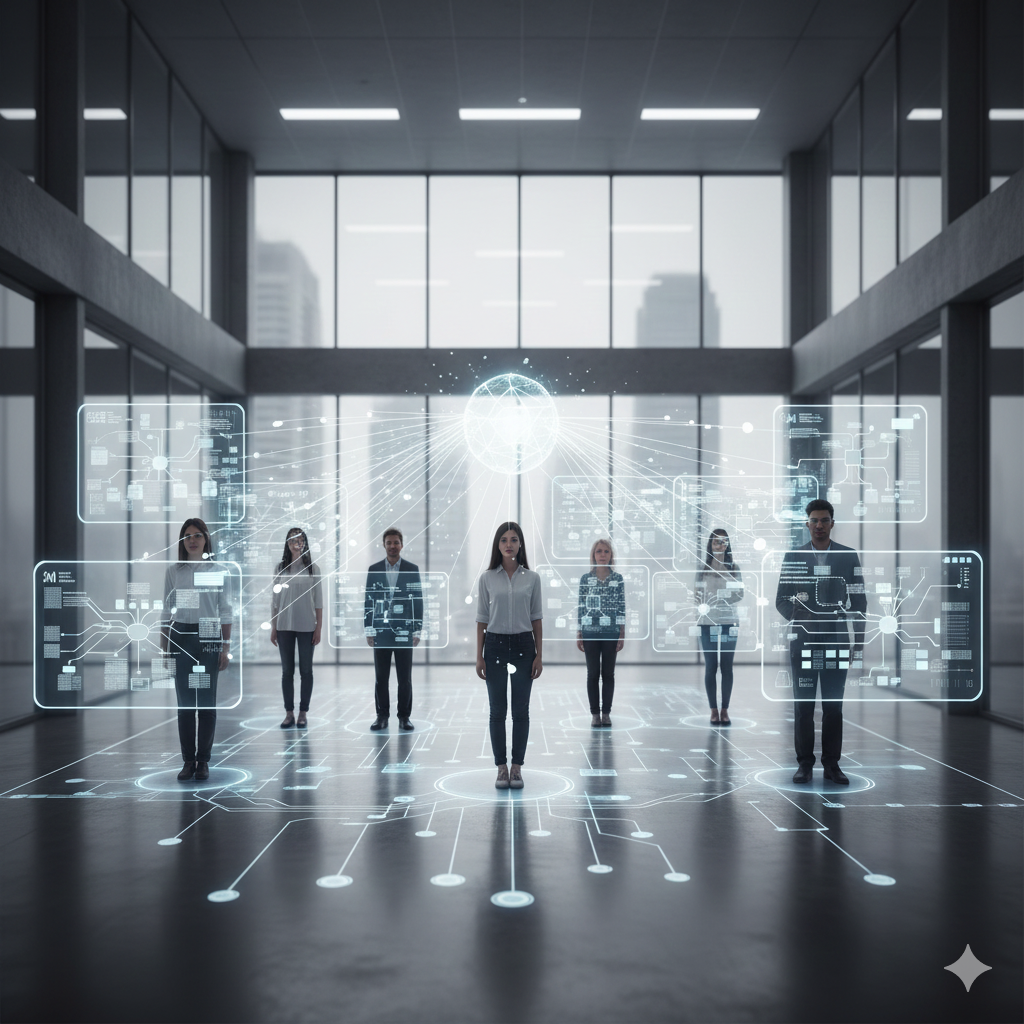
AI-Driven Adaptive Learning Paths: Unleashing Personalized Potential in Education
In an era defined by rapid technological advancement, the landscape of education is undergoing a profound transformation. Traditional, one-size-fits-all learning models, while foundational, are increasingly struggling to meet the diverse needs, paces, and styles of modern learners. The imperative for a more personalized, effective, and engaging educational experience has never been greater. Enter AI-Driven Adaptive Learning Paths: a revolutionary paradigm shift that promises to redefine how knowledge is acquired, skills are honed, and potential is realized.
This sophisticated approach leverages the power of Artificial Intelligence to dynamically adjust curriculum, content, and pace in real-time, creating a bespoke learning journey for each individual. It moves beyond simple customization, offering genuine adaptation that responds to a learner's strengths, weaknesses, preferences, and even their emotional state. The result is an educational ecosystem that doesn't just inform but truly empowers, fostering deeper understanding, greater retention, and unwavering motivation.
For too long, education has operated under the assumption that all students learn best in the same way, at the same speed. AI-driven adaptive learning shatters this outdated notion, paving the way for an individualized enlightenment where every learner is placed at the center of their own educational universe. It's not merely about technology in education; it's about harnessing intelligence to cultivate human potential on an unprecedented scale.
The Limitations of Traditional Learning: A Universal Challenge
For centuries, educational systems have largely adhered to a standardized model: a fixed curriculum, a predetermined pace, and a uniform method of instruction delivered to a group of diverse individuals. While this model has served its purpose, its inherent limitations have become increasingly apparent in our complex, information-rich world. Students are often left behind or held back, struggling with concepts that aren't presented in a way that resonates with their unique cognitive processes, or bored by material they've already mastered.
The 'one-to-many' approach frequently fails to account for the vast spectrum of learning styles, prior knowledge, and personal circumstances that each student brings to the classroom. This often leads to disengagement, frustration, and a significant achievement gap. Educators, despite their best efforts, face an insurmountable challenge in providing truly individualized attention to every student in a large class setting, resulting in a compromise that benefits neither the struggling nor the advanced learner optimally.
Furthermore, traditional assessment methods, often relying on infrequent, high-stakes exams, provide only a snapshot of a learner's understanding, rather than a continuous, nuanced picture of their progress and areas needing improvement. This reactive rather than proactive feedback loop means that misconceptions can persist and deepen before they are identified and addressed, hindering effective knowledge acquisition and skill development. The rigidity of these systems cries out for an intelligent, flexible alternative.
The Core Mechanism: How AI Personalizes Learning
At its heart, AI-driven adaptive learning operates on a sophisticated feedback loop powered by advanced algorithms and machine learning. When a learner interacts with an adaptive system, the AI continuously collects data – from their answers, the time taken to respond, the types of errors made, even their navigation patterns. This granular data forms a rich profile of the learner's current knowledge, skill proficiency, preferred learning modalities, and areas of difficulty.
Utilizing this profile, intelligent algorithms then analyze the data in real-time. They don't just identify right or wrong answers; they diagnose the underlying conceptual gaps or procedural misunderstandings. Based on this diagnosis, the AI dynamically adjusts the learning path. This might involve presenting remedial content, offering alternative explanations, providing practice exercises focused on specific weaknesses, or even accelerating the learner to more advanced topics if mastery is demonstrated.
This iterative process ensures that the learning experience is always precisely calibrated to the individual's needs at any given moment. It's like having a dedicated tutor who instantly understands your thought process and customizes every lesson, every example, and every challenge just for you. The personalization isn't superficial; it delves into the cognitive architecture of learning, optimizing the delivery of information for maximum impact and retention.
Empowering the Learner: Tailored Content Delivery
One of the most immediate benefits of AI-driven adaptive learning is the profound empowerment it grants to the learner through tailored content delivery. No longer confined to a single textbook or a standardized lecture, individuals are presented with educational materials that are specifically chosen to match their learning style and current understanding. For a visual learner, the system might emphasize infographics and videos; for an auditory learner, it could offer narrated explanations and podcasts; and for a kinesthetic learner, interactive simulations and hands-on activities.
This dynamic content curation extends beyond mere format. If a learner struggles with a particular concept, the AI can present the information in multiple ways – perhaps a simpler explanation, a real-world analogy, or a different pedagogical approach – until comprehension is achieved. Conversely, if a learner rapidly masters a topic, the system can skip redundant material and introduce more challenging concepts, keeping them engaged and preventing boredom. This flexibility ensures that every minute spent learning is productive and meaningful.
Such precision in content delivery fosters a sense of agency and control in the learner. They are not passive recipients of information but active participants in shaping their own educational journey. This autonomy, coupled with the confidence gained from consistently engaging with material at the 'just right' level of challenge, significantly enhances motivation and builds a positive relationship with learning. It transforms the often-frustrating experience of struggling with unsuitable material into a rewarding journey of continuous growth.
Real-time Assessment and Feedback Loops: The Engine of Progress
A cornerstone of effective adaptive learning is its robust system of real-time assessment and immediate, actionable feedback. Unlike traditional methods where feedback might be delayed by days or weeks, AI systems provide instantaneous insights into a learner's performance. Every interaction, every answer, and every decision within the learning environment is a data point that informs the AI's understanding of the learner's cognitive state.
This constant monitoring allows the AI to identify misconceptions or knowledge gaps the moment they arise, rather than after they've become ingrained. The feedback provided isn't just a simple 'right' or 'wrong'; it's diagnostic. The system can explain *why* an answer is incorrect, point to the specific concept that needs revisiting, or suggest alternative approaches. This precision in feedback empowers learners to correct their understanding immediately, reinforcing correct concepts and preventing the propagation of errors.
Moreover, these feedback loops are not just for the learner; they continuously refine the adaptive system itself. By analyzing patterns across thousands or millions of learners, AI algorithms can identify common sticking points, optimize the sequencing of topics, and improve the effectiveness of different instructional strategies. This iterative improvement ensures that the adaptive learning paths become increasingly intelligent and effective over time, perpetually enhancing the quality of the educational experience for everyone.
Addressing Diverse Learning Styles and Needs: Inclusive Education
One of the most powerful aspects of AI-driven adaptive learning is its capacity to genuinely embrace and cater to the incredible diversity of human learning. Recognizing that no two minds are identical, these systems move beyond broad categorizations to build highly nuanced profiles of individual learners. Whether a student thrives with visual aids, auditory explanations, hands-on activities, or a blend of approaches, the AI can dynamically adjust the presentation of material to match their preferred modality, maximizing comprehension and engagement.
Beyond learning styles, adaptive AI is also uniquely positioned to support learners with specific educational needs, including those with learning disabilities or cognitive differences. By identifying patterns in their interactions, the system can provide tailored scaffolding, break down complex tasks into smaller steps, offer extended time, or present information in formats designed to minimize cognitive overload. This level of individualized support, often impossible to achieve in traditional settings, fosters an inclusive environment where every student has the opportunity to succeed.
Furthermore, for learners who might feel intimidated or shy in a group setting, the private and personalized nature of adaptive learning can be incredibly empowering. They can experiment, make mistakes, and ask for clarification without fear of judgment. This not only builds confidence but also encourages a deeper exploration of challenging topics, cultivating resilience and a growth mindset essential for lifelong learning. It democratizes access to truly personalized instruction, making high-quality education accessible to a broader spectrum of individuals than ever before.
Fostering Engagement and Motivation: The Joy of Discovery
Engagement and motivation are often the most elusive elements in traditional education, yet they are absolutely critical for effective learning. AI-driven adaptive learning paths intrinsically foster these qualities by keeping learners operating within their 'zone of proximal development' – the sweet spot where material is challenging enough to be interesting but not so difficult as to be frustrating. This continuous optimization prevents both boredom from overly easy content and discouragement from insurmountable obstacles.
The personalized nature of the challenges presented ensures that learners are consistently working on problems that are relevant to their current skill level and directly address their specific knowledge gaps. This targeted approach makes every learning activity feel purposeful and impactful, reinforcing the idea that their effort directly leads to progress. Gamification elements, such as progress tracking, badges, points, and leaderboards, can further enhance motivation by turning learning into an engaging and rewarding experience, tapping into natural human desires for achievement and recognition.
Moreover, the immediate and constructive feedback provided by AI systems serves as a powerful motivator. Learners don't have to wait to understand their mistakes or celebrate their successes; they receive instant validation and guidance. This rapid feedback loop creates a sense of continuous accomplishment and encourages iterative improvement, transforming the learning process into a dynamic journey of discovery and mastery. When learning feels like a personal quest tailored just for you, motivation naturally blossoms.
Scalability and Accessibility: Reaching Every Learner
The promise of personalized education has long been a lofty ideal, often constrained by resource limitations. Providing one-on-one tutoring for every student is simply not scalable in most educational systems. However, AI-driven adaptive learning paths fundamentally change this equation, offering a path to deliver highly individualized instruction on a massive scale. A single AI system can simultaneously cater to thousands, even millions, of learners, each with their own unique adaptive path, without compromising on quality or personalization.
This inherent scalability has profound implications for global education and lifelong learning. It breaks down geographical barriers, making high-quality, personalized instruction accessible to individuals in remote areas or those who cannot attend traditional institutions. It also democratizes access to advanced learning opportunities, allowing anyone with an internet connection to pursue specialized knowledge or reskill for new careers, regardless of their prior educational background or socioeconomic status.
Furthermore, adaptive learning platforms can be designed to integrate seamlessly into existing educational infrastructures, complementing traditional classroom instruction or serving as standalone tools for self-directed learning. This versatility ensures that the benefits of personalized education can reach a broad spectrum of learners, from K-12 students to university scholars to working professionals seeking continuous professional development. It represents a powerful equalizer, ensuring that the best educational strategies are no longer limited to a privileged few.
The Future of Education: A Paradigm Shift
As AI technology continues to advance, the capabilities of adaptive learning paths will only deepen and become more sophisticated. We are on the cusp of a paradigm shift where education transitions from a standardized, content-delivery model to a dynamic, learner-centric ecosystem that actively cultivates individual potential. The future classroom may well be a blend of human-led instruction complemented by AI tutors, assessment engines, and personalized content curators, working in concert to optimize every student's journey.
Beyond academic subjects, AI could also personalize skill development for the workforce, offering adaptive training modules that respond to an employee's evolving job requirements and career aspirations. Lifelong learning will become not just a necessity, but an easily navigable and highly effective reality, with AI systems continually recommending relevant learning opportunities based on an individual's professional trajectory and personal interests. This continuous, adaptive growth will be key to thriving in an increasingly volatile and complex global economy.
The ultimate vision is an educational future where learning is not a chore to be endured but an engaging, empowering, and deeply personal adventure of discovery. AI-driven adaptive learning paths are not merely tools; they are architects of a more equitable, effective, and human-centered educational experience. They hold the potential to unlock unprecedented levels of human potential, preparing individuals not just for exams, but for a lifetime of empowered learning and meaningful contribution.
Comments (0)
No comments yet.